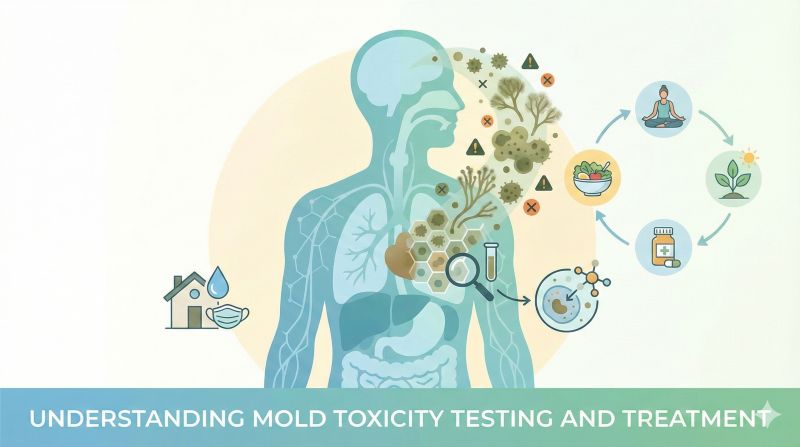
Mold toxicity is a growing concern that affects many individuals, often without their knowledge. As a silent invader, mold can infiltrate our homes and bodies, leading to a range of health issues. Understanding mold toxicity, how to test for it, and appropriate treatments is essential for maintaining overall health and wellness. In this article, we delve into mold toxicity, exploring its symptoms, testing methods, and effective treatments available at ZEN HEALTHCARE DUBAI.

What is Mold Toxicity?
Definition of Mold Toxicity
Mold toxicity occurs when an individual is exposed to mold spores, mycotoxins, or fungal substances that can lead to various health problems. These toxic compounds can be inhaled, ingested, or come into contact with the skin, resulting in a toxic response in the body. Chronic mold exposure can trigger severe health issues, including respiratory problems, neurological symptoms, and fatigue.
Common Sources of Mold Exposure
Understanding where mold is likely to thrive can help reduce exposure. Common sources of mold include:
- Water-damaged buildings
- Bathrooms and kitchens with high humidity
- Basements and attics
- Indoor plants with mold
- Old carpets and furniture
Be vigilant in identifying these areas in your home to minimize the risk of mold toxicity.
Symptoms of Mold Toxicity
The symptoms of mold toxicity can vary widely among individuals but often include:
- Chronic fatigue
- Respiratory issues, such as coughing or wheezing
- Skin irritations or rashes
- Neurological symptoms, including headaches and dizziness
- Digestive problems
If you experience these symptoms, it’s crucial to consider mold exposure as a potential underlying cause.
How to Test for Mold Toxicity
Identifying Symptoms
Recognizing the symptoms of mold toxicity is the first step in addressing the issue. If you suspect mold exposure, pay close attention to any persistent health problems, particularly if they worsen in damp environments. Keeping a symptom diary can help track patterns related to your home environment.
Testing Methods for Mold Exposure
Several testing methods can help identify mold exposure. Common approaches include:
- Environmental testing of air and surfaces
- Blood tests to check for immune response
- Urine tests for mycotoxins
Consulting with a healthcare professional can help determine the best testing method for your situation.
Understanding Organic Acids Testing
Organic acids testing is a specialized method that measures metabolites in urine that are indicative of mold exposure and fungal overgrowth. It can provide insight into your body’s response to mold and help guide treatment options. This testing is available at ZEN HEALTHCARE DUBAI, where we specialize in personalized lab testing.
Steps to Remove Mold from Your Environment
Identifying Mold Sources in Your Home
The first step in addressing mold toxicity is identifying the sources of mold in your environment. Common areas to check include:
- Water-damaged drywall
- Leaky roofs or plumbing
- Condensation on windows
- Hidden mold in HVAC systems
Once identified, it’s crucial to address these issues promptly to prevent further exposure.
Effective Mold Removal Techniques
Effective mold removal involves both cleaning and preventive measures. Common techniques include:
- Using commercial mold removers or a mixture of vinegar and baking soda
- Removing contaminated materials, such as carpets or drywall
- Improving ventilation and reducing humidity levels
For extensive mold problems, consulting with a professional mold remediation service may be necessary.
Preventing Future Mold Growth
To prevent future mold growth, consider implementing the following strategies:
- Use dehumidifiers in damp areas
- Regularly inspect and maintain plumbing and roofs
- Ensure good air circulation in your home
Taking proactive steps can significantly reduce the risk of mold returning.
Treating Mold Toxicity in Your Body
Using Binders for Mold Elimination
Once mold exposure has been addressed, it’s essential to eliminate mold toxins from your body. Binders, such as activated charcoal and bentonite clay, can be used to bind mycotoxins and facilitate their removal through the digestive system. These substances help ensure that toxins do not re-enter the bloodstream, making them a crucial component of treatment.
Healing Tissue and Cell Scarring
3Chronic mold exposure often leads to tissue and cell scarring. To aid in healing, consider therapies that promote cellular repair, such as IV Vitamin Infusions
These treatments can help rejuvenate damaged cells and restore overall health.
Rejuvenating Your Body After Mold Exposure
Rejuvenation is vital for recovering from mold toxicity. Focus on holistic approaches, including:
- Regular exercise to boost circulation
- Mindfulness practices to reduce stress
- Consuming a nutrient-rich diet to support healing
These strategies can help reset your body and enhance your overall well-being.
Lifestyle Changes to Combat Mold Toxicity
Dietary Recommendations
Implementing dietary changes can significantly impact your resilience against mold toxicity. Consider incorporating:
- Anti-inflammatory foods, such as leafy greens and berries
- Probiotic-rich foods to support gut health
- Hydrating foods to keep your body detoxified
A balanced diet plays a crucial role in your body’s ability to fight off toxins.
Creating a Healthy Living Environment
Creating a healthy living environment is essential for preventing mold growth. This includes maintaining low humidity levels, ensuring proper ventilation, and regularly cleaning potential mold-prone areas. Making your home a mold-free zone will help protect your health and well-being.
Stress Management Techniques
Chronic stress can weaken your immune system, making you more susceptible to mold toxicity. Consider integrating stress management techniques into your daily routine, such as:
- Meditation and deep breathing exercises
- Yoga or gentle stretching
- Engaging in hobbies that bring you joy
Finding healthy outlets for stress can significantly improve your resilience against health issues.
Conclusion: The Importance of Addressing Mold Toxicity
Recognizing Mold as a Silent Invader
Mold is often overlooked as a source of health problems, but it’s crucial to recognize its potential impact. Being aware of mold toxicity and its symptoms can empower you to take action for your health.
Taking Action for Your Health
Taking proactive measures, such as testing for mold exposure and removing it from your environment, can lead to significant improvements in your overall health. At ZEN HEALTHCARE DUBAI, we provide personalized lab testing and treatment options to support your recovery from mold toxicity.
Encouraging Regular Health Check-ups
Regular health check-ups are essential in monitoring your well-being and identifying potential issues early on. If you suspect mold exposure or are experiencing related symptoms, don’t hesitate to reach out to us at ZEN HEALTHCARE DUBAI. Our expert team is here to guide you on your path to recovery.
For more information or to schedule a consultation, contact us at +971 4 345 4215 or email Info@zenhealthcare.ae. Visit our website at zenhealthcare.ae to learn more about our services and how we can help you achieve optimal health.
TL;DR
- Mold toxicity can significantly affect health, as demonstrated by a patient with Chronic Fatigue Syndrome who showed high fungal markers in her body.
- The first step in treatment is to remove mold exposures from the environment.
- Binders are used to eliminate mold from the body, followed by repairing and rejuvenating damaged cells.
- It is crucial to be aware of mold toxicity as it can be a hidden health threat.
- Taking care of oneself and addressing mold exposure is essential for overall well-being.
FAQ
What is mold toxicity?
Mold toxicity refers to the adverse health effects caused by exposure to mold, which can lead to various symptoms including chronic fatigue.
How can I test for mold toxicity?
Testing for mold toxicity can involve measuring mold exposure in the body and analyzing organic acids to identify fungal markers.
What are the first steps in treating mold toxicity?
The initial steps include removing mold exposures from your environment and using binders to eliminate mold from the body.
What happens after the mold is eliminated from the body?
After mold elimination, the focus shifts to repairing tissue and cells that may have been damaged, followed by rejuvenating and enhancing overall health.
Why is it important to pay attention to mold toxicity?
Mold toxicity can be a silent health issue that significantly impacts well-being, making it crucial to recognize and address it.
g, making it crucial to recognize and address it.