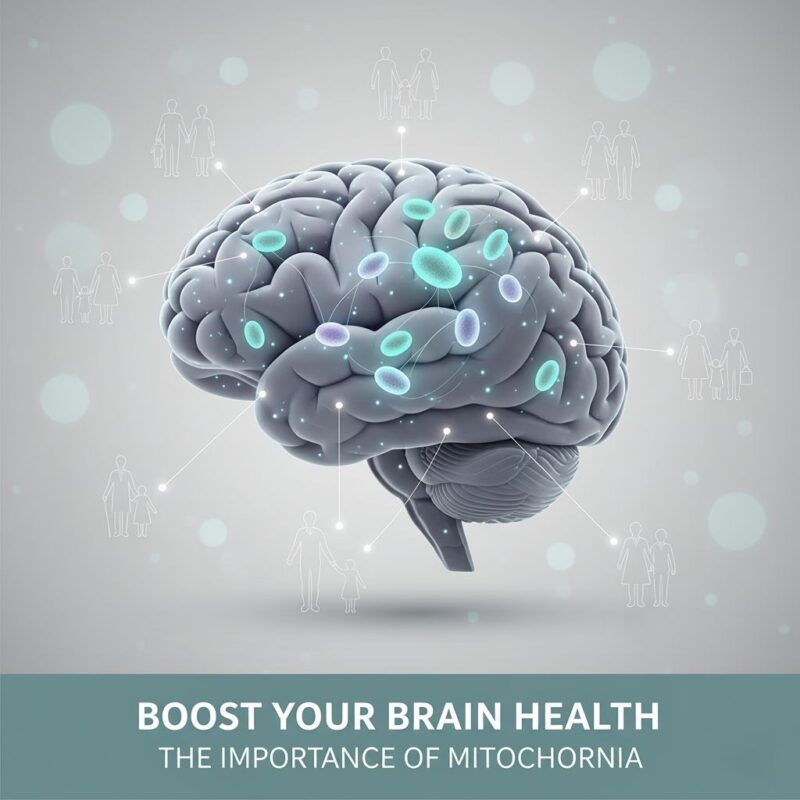
In a world where cognitive health is becoming increasingly important, understanding the role of mitochondria is essential for anyone looking to maintain or improve their brain function. These tiny powerhouses not only fuel our cells but also play a crucial role in mental clarity and memory retention. If you or a loved one have experienced memory problems, it’s time to delve into the fascinating connection between mitochondria and brain health.
Understanding Mitochondria and Their Importance
What Are Mitochondria?
Mitochondria are often referred to as the “powerhouses” of the cell, as they are responsible for producing adenosine triphosphate (ATP), the energy currency of our bodies. These organelles are found in nearly every cell type and are vital for numerous cellular functions, including energy production, regulation of metabolism, and apoptosis (programmed cell death). Without healthy mitochondria, our cells cannot function optimally, which can lead to a host of health problems, particularly in the brain, where energy demands are exceptionally high.
Why Mitochondria Matter for Brain Health
The brain requires a substantial amount of energy to perform its functions, and mitochondria supply this energy. Maintaining healthy mitochondria is crucial for cognitive functions such as memory, learning, and mood regulation. A decline in mitochondrial function can lead to neuronal damage and is associated with various neurological disorders, including dementia. Research shows that individuals with dementia often exhibit significant mitochondrial loss, which can impair brain function and exacerbate symptoms. Therefore, prioritizing mitochondrial health is essential for safeguarding cognitive abilities.
Common Signs of Memory Problems
Identifying Memory Issues in Patients
Memory problems can manifest in various ways, from occasional forgetfulness to more severe cognitive impairments. Common signs include difficulty recalling names or recent events, misplacing items frequently, and struggling to follow conversations. Family members often play a crucial role in identifying these symptoms, as they may notice changes in behavior or cognitive function that the individual may not recognize. Early detection can be instrumental in managing potential underlying issues, including mitochondrial dysfunction.
The Family’s Role in Reporting Symptoms
Family members are often the first to notice changes in a loved one’s memory and cognitive abilities. It’s important for families to communicate openly about their observations and concerns. Documenting specific instances of forgetfulness or cognitive decline can aid healthcare professionals in diagnosing and addressing the issue effectively. Encouraging a supportive environment can also alleviate the stress and anxiety associated with memory problems, making it easier for individuals to seek help.
The Connection Between Mitochondria and Dementia
How Mitochondrial Loss Affects Brain Function
Research indicates that mitochondrial loss is a significant contributor to the development and progression of dementia. As mitochondria deteriorate, the brain’s ability to generate energy declines, leading to impaired neuronal function. This energy deficit can result in memory loss, cognitive decline, and behavioral changes. In cases where patients have lost 30 to 40 percent of their brain mitochondria, traditional medications often fail to provide relief, underscoring the need for alternative approaches to support mitochondrial health.
Why Traditional Medications May Not Help
Many patients with dementia experience limited improvement with conventional medications. This is largely due to the fact that these treatments do not address the fundamental issue of mitochondrial dysfunction. As a result, individuals may continue to experience cognitive decline despite medication. Exploring alternative therapies that focus on enhancing mitochondrial function, such as dietary adjustments and supplements, may provide more effective solutions for patients struggling with memory issues.
The Benefits of Omega-3 Fatty Acids
How Omega-3s Support Mitochondria
Omega-3 fatty acids are essential for maintaining overall brain health and have been shown to support mitochondrial function. These healthy fats promote the formation of new mitochondrial membranes and enhance energy production, which is vital for cognitive performance. Incorporating omega-3s into your diet can help mitigate the risks associated with mitochondrial loss and promote better brain function. Foods rich in omega-3s include fatty fish like salmon, walnuts, and flaxseeds, making it easier to include them in your daily meals.
When to Start Taking Omega-3 Supplements
To effectively support brain health, experts recommend starting omega-3 supplementation as early as the age of 30. This proactive approach can help maintain mitochondrial function over time and reduce the risk of cognitive decline later in life. Consulting with a healthcare professional can help determine the appropriate dosage and form of omega-3 supplements best suited for individual needs.
Practical Tips for Maintaining Brain Mitochondria Health
Lifestyle Changes to Support Mitochondrial Health
Making certain lifestyle changes can significantly improve mitochondrial health and, consequently, brain function. Consider the following tips:
- Regular physical exercise to boost mitochondrial biogenesis.
- Prioritize quality sleep to promote cellular repair and regeneration.
- Manage stress through techniques like meditation, yoga, or deep breathing exercises.
- Avoid smoking and limit alcohol consumption to reduce oxidative stress.
Dietary Considerations for Brain Health
Diet plays a vital role in supporting mitochondrial health. Incorporate a variety of colorful fruits and vegetables, whole grains, lean proteins, and healthy fats into your diet. Foods rich in antioxidants can help combat oxidative stress, further protecting your mitochondria. Additionally, consider consulting with a healthcare provider at ZEN HEALTHCARE DUBAI for personalized dietary recommendations tailored to your specific health needs.
Encouraging Family Involvement in Brain Health
How Families Can Support Memory Health
Family involvement is crucial in promoting brain health, especially for those facing memory challenges. Encourage open communication, and discuss any observed changes in memory or cognition. Families can also engage in activities that stimulate cognitive function, such as puzzles, games, or memory exercises, fostering a supportive and interactive environment for loved ones.
Creating a Supportive Environment for Patients
Creating a nurturing and supportive environment can significantly enhance the quality of life for individuals experiencing memory problems. Establish routines, minimize distractions, and provide reminders for daily tasks. Additionally, resources like ZEN HEALTHCARE DUBAI offer wellness consultations and therapies that can aid in enhancing cognitive function and overall health. By working together, families can play an integral role in supporting their loved ones’ brain health.
For more personalized advice and solutions to boost your brain health, contact ZEN HEALTHCARE DUBAI at +971 4 345 4215 or visit us at Villa #15, Tariq & Arif Villas – Al Wasl Rd, Al Bada’a, Dubai, United Arab Emirates. Explore our range of services designed to help you achieve optimal brain function and overall well-being.
TL;DR
- Many patients are brought in by family members due to memory problems, raising concerns about dementia.
- Patients may have lost 30 to 40 percent of their brain mitochondria, which cannot be replaced.
- In 20 years of experience, the speaker has not seen dementia patients improve with medication; they typically worsen.
- Maintaining mitochondrial health is crucial, particularly for brain health.
- It is recommended to start taking omega-3 fatty acids as early as the 30s to support mitochondria health.
FAQ
What symptoms might indicate dementia?
Memory problems and forgetfulness are common symptoms that might indicate dementia.
Can brain mitochondria be replaced if lost?
No, lost brain mitochondria cannot be replaced.
Do medications improve dementia symptoms?
Based on experience, medications do not improve dementia symptoms; patients generally tend to worsen.
When should I start taking omega-3 fatty acids for brain health?
It’s recommended to start taking omega-3 fatty acids as early as your 30s to maintain brain mitochondria health.
Why are omega-3 fatty acids important?
Omega-3 fatty acids are important for maintaining mitochondrial health, especially in the brain.